
Data Center Rack Fabrication Lincolnton NC | Custom Racks, Cabinets, Enclosures | Farris Group
What makes data center rack fabrication different from general metal fabrication?
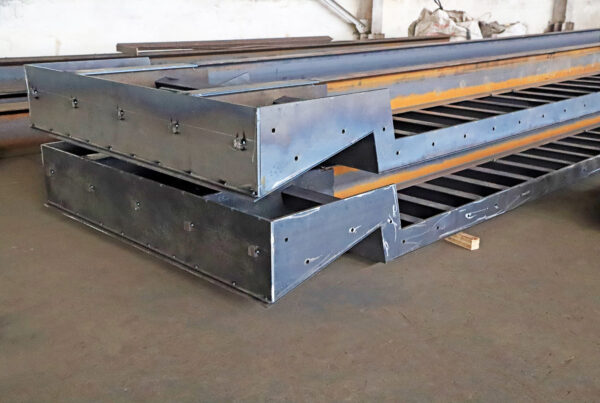
You are building infrastructure that has to behave the same way across rows, rooms, and phases. A data center rack is a structural object, an airflow object, and a serviceability object at the same time. Alignment has to stay stable so doors, panels, and accessories fit without correction. Cooling features need to land where the thermal plan expects them. Access needs to stay predictable so technicians can work quickly and safely.
That is why data center programs often specify custom dimensions and perforation patterns on panels, doors, and shelves. The rack becomes part of the cooling story. It also becomes part of the maintenance story. A rack that installs cleanly on day one keeps paying dividends during every swap, retrofit, and expansion.
Which rack and enclosure products should a rack manufacturer support for data centers?
A practical rack scope tends to include multiple families that share a consistent interface language:
- Closed racks and open racks built to your height, width, and depth requirements
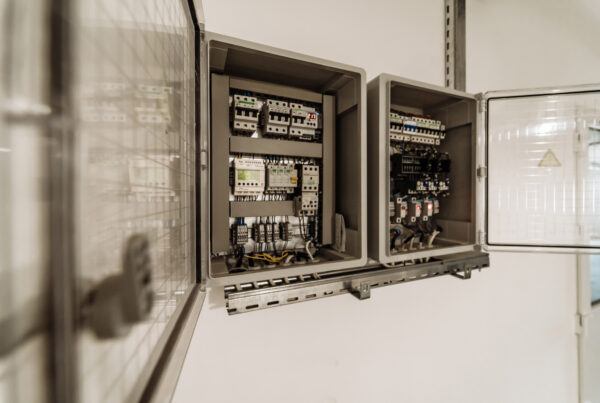
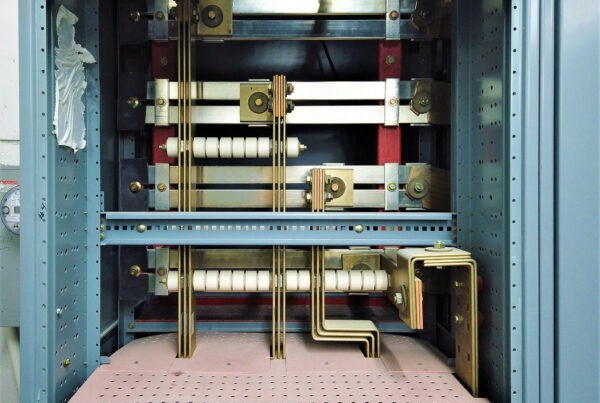
- Cabinets and electrical enclosures for power and controls spaces
- Fixed shelves and sliding shelves to support equipment access and standardized layouts
- Perforated features for cooling airflow, including perforated panels and vented components
- Accessory features that support cable management, labeling, and fast staging
Programs deploy faster when these families share a repeatable pattern for mounting, hardware fit, and service clearances.
How do aluminum and steel selections affect rack stiffness, handling, and long-term durability?
Material choice impacts stiffness-to-weight, handling, and the way a rack responds to load and transport. Aluminum supports lighter handling and corrosion resistance in many applications. Carbon steel supports stiffness and robust structural performance. Stainless steel supports corrosion resistance and long-term stability in environments where that matters.
The manufacturing route benefits from treating the material as a design input, not a procurement detail. Bend allowances, fastening strategy, weld planning, and finishing plans all change depending on the material.
Which assembly strategies keep racks serviceable and scalable?
Data center racks often use a mix of methods depending on the program’s install strategy and service model:
- Welded construction for rigidity and integrated frames
- Riveted construction for repeatable subassemblies and stable joints
- Bolted construction for modularity, disassembly, and field adaptability
A strong program defines where modularity is useful and where rigidity is essential. It also defines the inspection points that keep repeat releases consistent.
Why do painted and powder coated finishes show up in most rack deployments?
Racks take a lot of handling before they ever carry equipment. They get packed, shipped, unwrapped, staged, moved, and installed. A durable finish reduces cosmetic damage and reduces touch-up work. Powder coating is commonly selected for durable coverage and long-term appearance stability. Painting remains useful for specification-driven systems and customized finish requirements.
For custom rack fabrication scoped to airflow, access, and phased deployment, call 704-629-4879, or request an expert consultation at Farrisgrp.com.
Frequently Asked Questions about Lincolnton, NC Data Center Rack Manufacturing
Can racks be built in custom dimensions with perforation for cooling?
Yes. Rack geometry and perforation features can be matched to the airflow plan.
Can racks include fixed shelves and sliding shelves?
Yes. Shelf type can follow service-access needs and equipment layout standards.
Can finishing be specified as painted, powder coated, or unpainted?
Yes. Finish state can follow the requirement set.