
Data Center CNC Machining Mooresville NC | ISO 9001:2015 | Farris Group
What machining needs show up repeatedly in data center construction?
Data centers bring a specific kind of pressure. Schedules move fast, equipment is specialized, and the build has a clear lifecycle that includes preconstruction, rapid construction phases, and strict closeout checks. Data center design priorities include power, connectivity, efficiency, cooling, redundancy, and scalability. That reality translates into machined components that support:
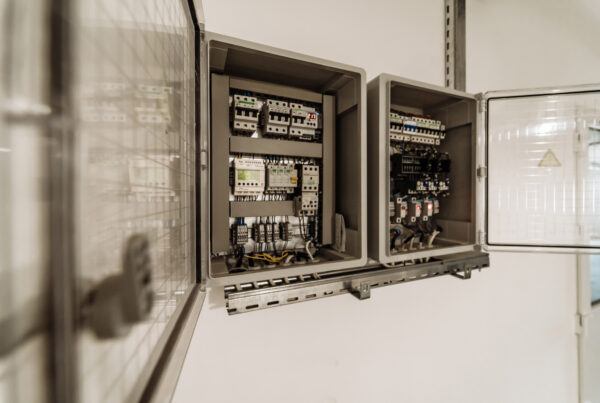
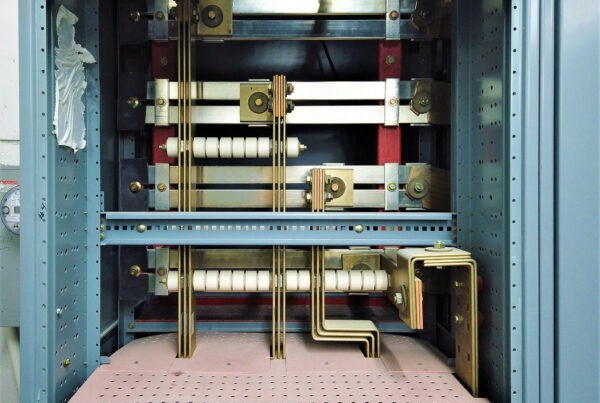
- Mounting and interface points for electrical infrastructure
- Precision parts tied to power distribution and equipment alignment
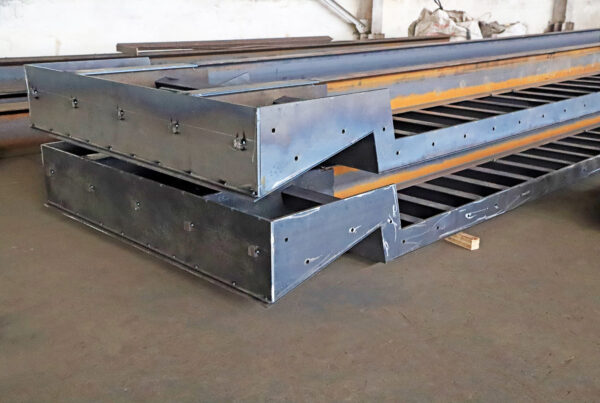
- Brackets, plates, and spacers used in cooling and service-access assemblies
- Standardized components used repeatedly across halls or modules
You want parts that install cleanly because rework creates schedule risk. You want parts that support serviceability because operational reliability depends on access. Farris Group provides machining for data centers in Moorseville, NC.
How does Farris Group machine parts that support power, cooling, and redundancy?
The data center environment rewards dimensional discipline. Interfaces between equipment skids, frames, and support systems depend on controlled datums, stable hole patterns, and repeatable face relationships.
Milling operations support plates, brackets, and interface geometry where positional accuracy drives fit. Turning operations support shafts, bushings, spacers, and concentric features where runout and alignment matter. Hole-making processes support tapped patterns and precision bores that receive fasteners, dowels, or locating features. Boring, reaming, or thread-forming choices depend on print requirements and functional load.
Inspection plans focus on critical characteristics. Hole location, bore geometry, and interface faces drive install success. Reporting that maps measurements to key features can speed approvals during preconstruction planning and early build phases.
How does modular construction change what you should ask for?
Modular construction is an innovation in data center construction, including prefabricated modules that reduce on-site work and support adaptability. Modular strategies benefit from repeatable part families and standardized interfaces. That means:
- Part numbers that recur across modules
- Fixtures that support repeatable machining setups
- Inspection plans that remain stable across releases
- Packaging that supports phased deployment
A modular mindset also changes how staging works. You want kits that match the zone or module footprint. You want labels that read like the install plan.
How do logistics and closeout expectations shape machining documentation?
Data center construction is fast-paced and high-stakes for logistics and supply chain management. Proactive procurement is important, due to specialized equipment and long lead times. Machined components often sit inside that same workflow. Your plan benefits from staged deliveries, clear identification, and packaging that protects critical faces and threads.
Closeout requirements also matter. Project closeout involves rigorous quality control and inspections to support long-term reliability and safety. Machining documentation that ties measurements to the fit-driving features supports that expectation.
How do ISO 9001:2015 and FedLinks support procurement teams?
Farris Group is an ISO-certified contract manufacturer providing machining and related services. Farris Group is also a FedLinks Verified Federal Vendor,
Those points support procurement teams that evaluate vendor qualification, documentation readiness, and consistent routing.
Call 704-629-4879 or visit Farrisgrp.com to share drawings and staging requirements.
.
Frequently Asked Questions about Mooresville, NC Data Center Machining
Can parts ship in kits aligned to modules, rooms, or zones?
Yes. Packaging can be structured around the install sequence and module layout.
Can inspection reporting focus on the fit-driving characteristics?
Yes. Reports can highlight critical dimensions that control assembly interfaces.
Can repeat part families stay consistent across phased expansions?
Yes. Repeatability improves with stable programs, fixtures, and inspection checkpoints.