
Data Center Electrical Enclosures Mount Holly NC | Custom Cabinets, Cutouts, Finishing | Farris Group
What makes data center electrical enclosures different from everyday cabinets?
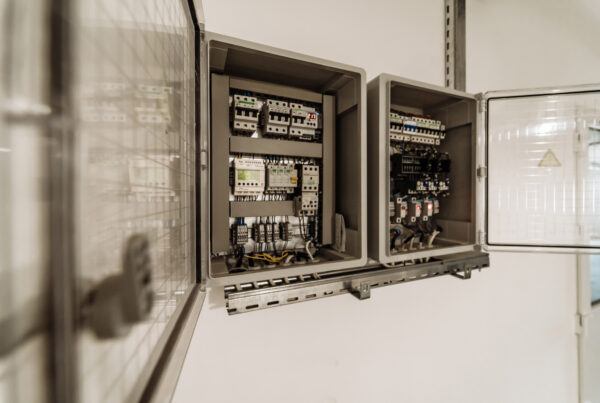
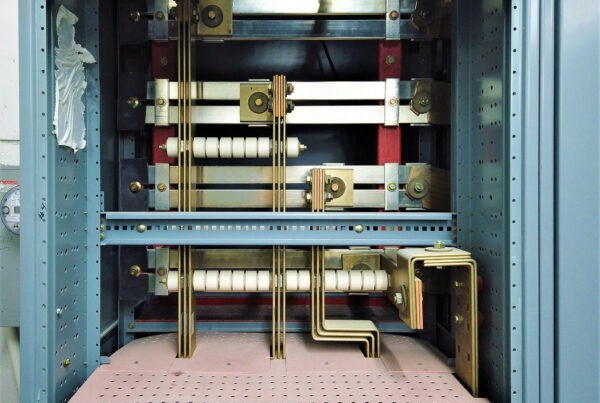
You can spot the difference the moment an enclosure hits the dock. A general cabinet is built to hold components. A data center electrical enclosure is built to hold components and protect an operational plan. Clearances are mapped. Cable pathways are coordinated. Panels have naming logic. Service access matters because technicians return to these doors for years.
That is why buyers search phrases like “custom electrical enclosures for data centers” and “manufacturer of electrical enclosures for data centers.” The enclosure is part of mission-critical infrastructure, and the build needs repeatable geometry, consistent cutouts, and finish durability through staging and installation. Data center construction often runs in phases, which increases the value of a cabinet family that stays consistent over time.
How do cutouts, mounting planes, and door geometry affect commissioning?
Commissioning becomes smoother when enclosure geometry stays predictable. Cutouts that match the interface plan keep field crews from reworking panels at the last minute. Mounting planes that stay flat keep internal hardware aligned. Door geometry that swings cleanly protects service access, and it keeps maintenance from becoming a daily inconvenience.
Projects that use standardized cabinet families also benefit from consistent internal patterns. It becomes easier to install components, route wiring, and verify clearances when every cabinet in the family behaves the same way. That repeatability can carry through multiple rooms and later expansions.
Which fabrication and machining steps support repeat cabinet families?
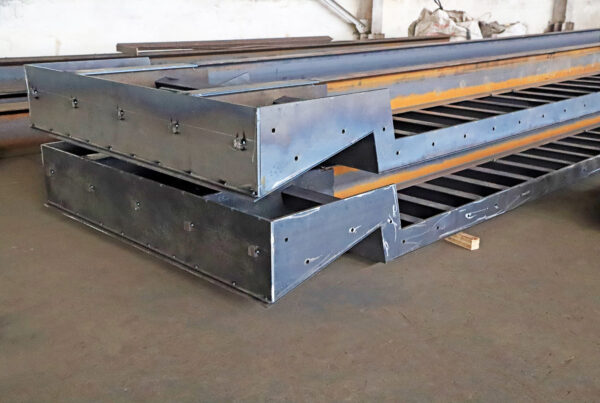
Fabrication handles the structure: sheet metal forming, welding, reinforcement, and the overall cabinet build. CNC machining supports the interfaces that need repeatability: clean cutouts, consistent hole patterns, and mounting features that keep hardware aligned. A disciplined route also protects tolerance stack-up across the full build, especially when panels, doors, and internal subplates interact.
This is where integrated manufacturing capabilities help. Farris Group operates as an ISO-certified contract manufacturer offering metal fabrication, machining, welding, powder coating, painting, kitting, and assembly. That kind of vertical integration supports enclosure programs where structure, interfaces, finish, and labeling all need to work together.
How do NEMA-driven requirements and finishing choices protect long-term performance?
Many data center requirement sets include NEMA-related language because enclosure protection and access control matter in electrical spaces. A practical plan starts with the requirement set, then matches materials, gasketing strategy, door fit, and hardware choices to that target.
Finishing becomes part of performance as well. Powder coating is frequently chosen for durable coverage that holds up to handling and staged installation. Painting is often used for specification-driven systems that call for defined coating behavior or field compatibility. Farris Group provides both powder coating and painting within its manufacturing services, which supports enclosure programs that need controlled finishing as part of the production route.
How do labeling, kitting, and vendor verification support procurement workflows?
Procurement and site teams move faster when shipments arrive labeled to match the install plan. Kitting can group doors, panels, and hardware by room, row, or phase. Packaging can protect finished surfaces and keep assemblies from rubbing during transport.
Procurement credibility also matters for documentation-heavy programs. Farris Group is listed on FedLinks with an ISO 9001 certification and manufacturing capabilities, which supports buyers who value verified vendor profiles.
To scope electrical enclosures for a data center build, call 704-629-4879, or share requirements through Farrisgrp.com.
Frequently Asked Questions about Mount Holly, NC Data Center Electrical Enclosures
Can enclosure families be standardized for phased expansions?
Yes. Repeat cabinet families support consistent installs across phases.
Can enclosures ship labeled by room or panel schedule?
Yes. Label plans can mirror the install map and commissioning workflow.
Can finishing be coordinated with fabrication and machining in one route?
Yes. Integrated capabilities support a single controlled build path.