
Data Center CNC Machining Statesville NC | ISO 9001:2015 | Farris Group
What machined parts show up repeatedly in data center construction?
If you support data center construction, you see the same core needs across projects. Equipment must mount cleanly. Interfaces must align. Service access must remain clear. Power and cooling systems depend on stable geometry and repeatable installation.
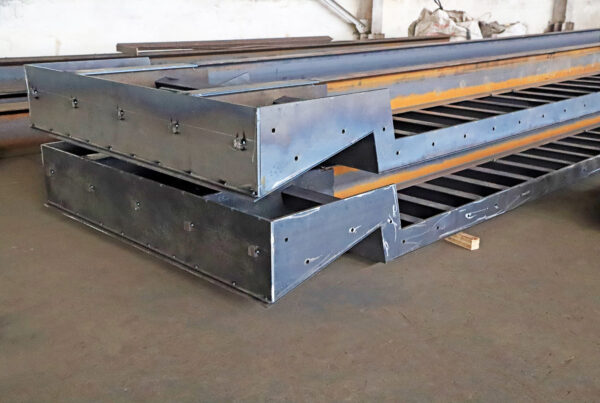
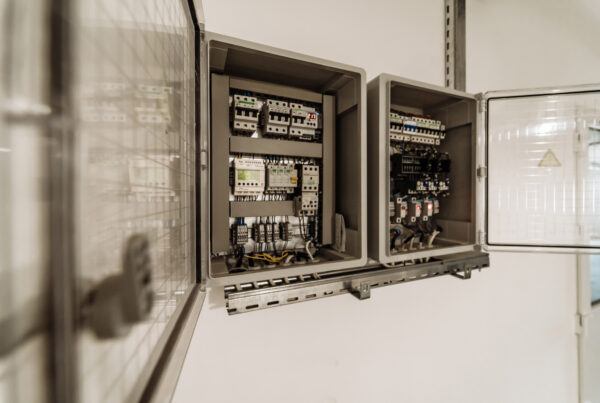
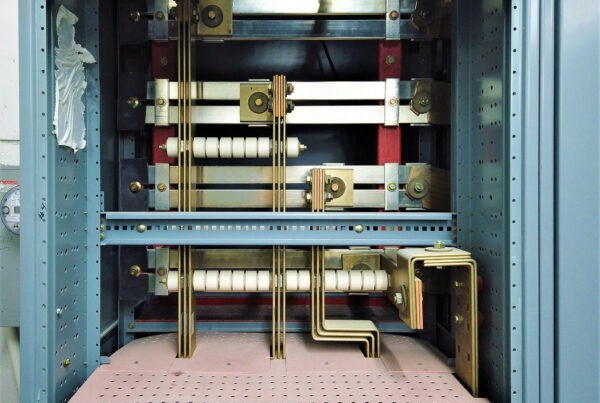
That translates into data center CNC machining demand for plates, brackets, spacers, bushings, shafts, and interface components used around electrical infrastructure, cooling systems, and modular equipment skids. Many of these parts look simple until installation begins. Hole location and face relationships decide whether a component bolts up smoothly or triggers field correction work.
How do you machine components that support redundancy and serviceability?
Redundancy requirements shape equipment layout, and serviceability shapes access clearances. Your machining plan benefits from disciplined datum structure and stable setups. Milling supports hole patterns, pockets, and mating faces that define fit. Turning supports diameters, concentric features, and runout control for round interfaces.
Bores and threads also matter in data center builds. Precision bores align hardware, locate components, and maintain consistent assembly geometry across racks, skids, and support frames. Thread quality supports maintenance cycles and repeated fastener engagement. When prints call for specific thread class, gauging keeps outcomes consistent.
How does modular construction change machining expectations?
Modular construction increases the value of repeatability. Modular builds benefit from standardized interfaces and repeated part families that install the same way across multiple modules and phases. That shifts attention to program stability, fixture discipline, and inspection consistency.
You also gain efficiency when packaging matches deployment structure. Kits that ship per room, skid, zone, or module reduce staging effort and help contractors keep installation moving without searching for the next group of parts.
How should inspection reporting be structured for data center approvals?
Inspection reporting works best when it is aligned to the characteristics that drive fit. Hole location, bore size, mating surface relationships, and key thickness dimensions typically control installation success. Reports can focus on these critical characteristics so engineering teams can approve quickly.
In-process checks help maintain control before final inspection. Final verification can be completed using appropriate methods for geometry, including CMM-based measurement where that fits the part and the requirements.
How do ISO 9001:2015 and FedLinks support data center procurement workflows?
ISO-certified quality management supports controlled routing, defined inspection points, and repeatable production logic. FedLinks Verified Federal Vendor positioning supports procurement teams that require vendor alignment and documentation readiness.
If you want data center machining scoped by zone and schedule in Statesville, call 704-629-4879 or send drawings through Farrisgrp.com.
Frequently Asked Questions about Statesville, NC Data Center CNC Machining
Can parts ship in kits aligned to module or room sequencing?
Yes. Packaging can follow your staging plan.
Can inspection reporting focus on fit-driving characteristics?
Yes. Reports can be structured around critical interfaces and datums.
Can repeat part families stay consistent across phased expansions?
Yes. Stable programs, fixtures, and checkpoints support repeatability.