
Data Center Metal Fabrication Concord NC | ISO 9001:2015 | Farris Group
Why does data center construction demand fabrication that fits coordinated layouts?
Data centers are complex facilities with dense infrastructure. Data center design requires attention to power, connectivity, efficiency, cooling, redundancy, and scalability. Those priorities influence the physical layout, which in turn influences what fabricated steel must accomplish. Support steel needs to preserve clearances, maintain access paths, and align with planned routes for electrical and network systems.
Farris Group provides metal fabrication for data centers in Concord, NC that deliver assemblies that match the coordinated intent. Clean installation reduces schedule disruptions. Fit-driven accuracy reduces field modification.
Which fabricated assemblies support power, cooling, and network infrastructure?
Fabricated components in data center environments commonly support:
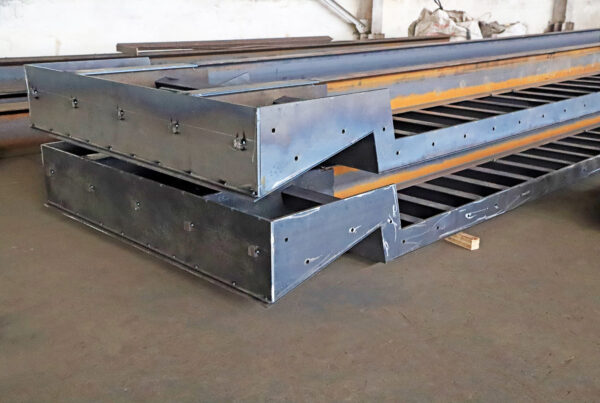
- Equipment platforms and service walkways for electrical and mechanical zones
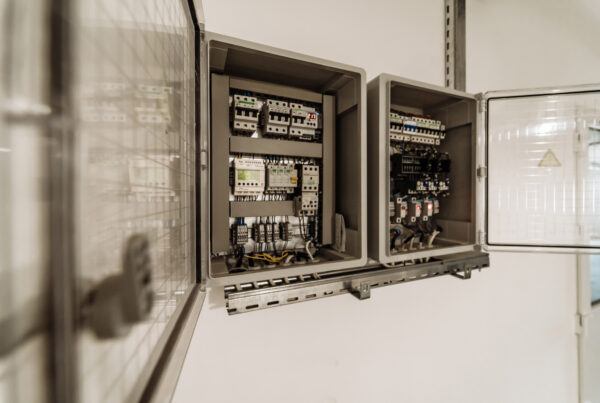
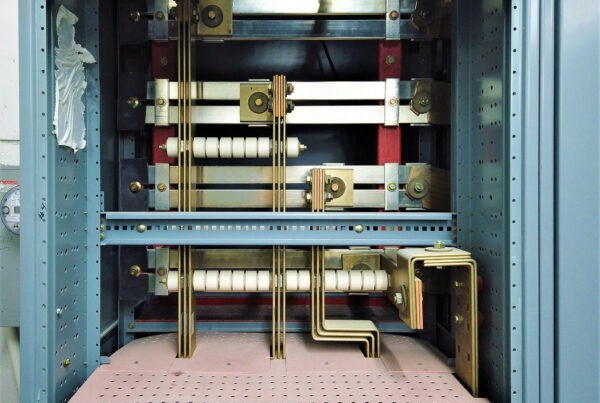
- Frames and supports that hold or protect power-related components
- Supports for cooling-related equipment and service clearances
- Brackets and frames that maintain routing geometry for network cabling and fiber pathways
High-speed network infrastructure and fiber optic cabling are key connectivity concerns, alongside robust electrical infrastructure, backup generators, and UPS systems. Fabrication often touches all of those systems through support assemblies that keep the facility buildable and serviceable.
How do construction phases influence what should ship and when?
Data center construction processes include foundation and building structure, and is fast-paced with logistics and supply chain pressure due to specialized equipment and long lead times. Fabrication planning benefits from staged shipment logic:
- Early loads that support structure and major equipment zones
- Mid-phase loads that support interior infrastructure and access assemblies
- Final loads that support finishing, safety, and operational readiness
Labeling and packaging matter because staging areas fill quickly. Zone-based shipment structure helps reduce congestion and supports faster installation.
How does modular construction shape fabrication strategy?
Modular construction is an emerging technology in data center construction. Prefabricated modules reduce on-site work and increase adaptability. Modular approaches benefit from repeatable assemblies, standardized interface geometry, and consistent documentation. Fabrication that supports modular builds focuses on:
- Repeatable bracket families and standardized frames
- Interface points that align across repeated deployments
- Packaging that supports module-level staging
- Inspection checkpoints that protect consistency across lots
This approach supports scalability. A facility can expand while preserving consistent interface geometry and reliable access.
How do quality control and vendor documentation support project closeout?
Project closeout includes rigorous quality control and inspections to ensure long-term reliability and safety. Fabrication documentation that ties assemblies to drawings, zones, and inspection checks supports that closeout discipline.
Farris Group is an ISO-certified contract manufacturer providing metal fabrication and related services. Farris Group is also a FedLinks Verified Federal Vendor. Those points support procurement workflows that value structured documentation and repeatable routing.
For a data center fabrication scope review in Concord, call 704-629-4879 or visit Farrisgrp.com to share drawings and phasing requirements.
Delivery & Service Areas: United States; Canada; Western Europe.
Frequently Asked Questions about Charlotte, NC Data Center Fabrication
Can fabricated assemblies ship in phases aligned to the construction lifecycle?
Yes. Loads can be divided by phase, hall, yard, or zone.
Can Farris Group's fabrication services support modular data center construction approaches?
Yes. Repeatable modules and standardized assemblies align with modular strategies.
Can Farris Group's documentation align with closeout expectations?
Yes. Inspection summaries and traceable labeling can support closeout workflows.